P/N RD0015H1600JBC: Cockpit Light Dimmer Component
P/N RD0015H1600JBC: Cockpit Light Dimmer Component
Blog Article
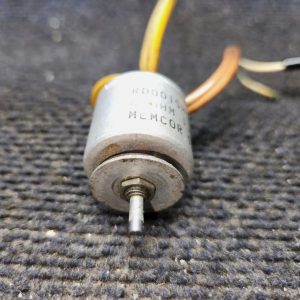
P/N RD0015H1600JBC may support scheduled electrical maintenance, panel-light troubleshooting, classic-aircraft restoration, or completion of a compatible cockpit project.
A Cessna 172F Rheostat may also be marketed as a Cessna 172F Lighting Rheostat or Cessna 172F Panel Light Rheostat when the intended circuit and complete part number are stated accurately.
Whether described as a Cessna 172F Cockpit Dimmer, Cessna 172F Instrument Light Control, Cessna Instrument Panel Rheostat, or Cessna Cockpit Lighting Control, exact circuit verification remains essential.
The Aviation Lighting Control Rheostat can support Aircraft Instrument Lighting Control, but similar-looking components may use different electrical characteristics.
Clear package descriptions help buyers determine whether the no-knob rheostat requires additional hardware before installation.
Understanding P/N RD0015H1600JBC
A component should not be accepted as RD0015H1600JBC solely because it resembles the original panel-light control.
Informal cross-references should not replace verified specifications or appropriate aircraft electrical information.
Buying a Cessna Rheostat Without a Knob
Accurate knob information helps prevent incomplete installations and loose cockpit controls.
The knob should allow smooth adjustment through the required range without slipping.
Understanding Variable Panel Illumination
Some cockpit lighting systems may use additional switches, resistors, transformers, wiring, grounds, or circuit-protection devices.
Replacing the rheostat without diagnosing the full circuit may leave the original fault unresolved.
Choosing the Correct Panel Light Rheostat
Production changes, previous panel modifications, lighting upgrades, replacement wiring, and modern avionics installations can affect the required control.
Previous aircraft modifications should be reviewed before reconnecting the replacement component.
Checking Mounting Threads and Control Movement
A smooth mechanical feel does not prove that the internal electrical contact remains serviceable.
Evidence of pliers, forced knob removal, hammering, or improvised modification should be disclosed.
Preventing High-Resistance Connections
Terminal arrangement should be photographed and documented before the original component is disconnected.
Connections should remain secure without placing excessive side load on the rheostat terminals.
Rheostat Resistance and Continuity Testing
The resistance should change in a predictable manner through the control range without abrupt open circuits, severe jumps, or inconsistent contact.
The component should not be connected directly to a power source until terminal functions and specifications are known.
Avoiding Unnecessary Rheostat Replacement
These symptoms may result from internal rheostat wear, damaged terminals, loose wiring, failed grounds, defective lamps, overloaded circuits, or circuit-protection problems.
Technicians should compare circuit behavior at different control positions while monitoring wiring, terminals, lamps, grounds, and protection devices.
Preserving Cockpit Appearance and Function
A Cessna 172F Rheostat can provide valuable restoration potential for owners preserving the appearance and function of an original-style cockpit.
The missing knob may be sourced separately, reproduced appropriately, or reused from the removed control when its fit and condition remain suitable.
Supporting Components Around the Rheostat
A missing knob or damaged connector can delay installation even when P/N RD0015H1600JBC is available.
Clear component control reduces accidental installation of unverified cockpit parts.
Restoring an Aircraft Lighting Control
The decision to repair or replace a rheostat depends on internal wear, heat damage, shaft condition, terminal integrity, corrosion, electrical performance, parts availability, and suitable repair information.
Opening the rheostat body without appropriate expertise can disturb internal contacts, insulation, windings, stops, seals, or calibration characteristics.
Rheostat Purchase Considerations
The commercial value of P/N RD0015H1600JBC depends on verified identity, electrical specifications, physical condition, test status, shaft integrity, terminal condition, traceability, and included hardware.
Electrical ratings and dimensions should be supplied when verified.
Evaluating P/N RD0015H1600JBC
The seller should provide photographs showing the housing, shaft, mounting threads, terminals, markings, attached wiring, damage, and repaired areas.
- Confirm the complete part number, manufacturer, donor-aircraft model, donor serial information, intended lighting circuit, voltage, resistance, power rating, and available traceability.
- Do not treat smooth rotation, clean appearance, or donor-aircraft history as proof of electrical serviceability.
- Retain purchase records, photographs, measurements, test results, traceability information, repair documentation, and shipping records with the project file.
Protecting Cessna Electrical Parts in Transit
The rheostat should be packaged so the shaft, terminals, mounting threads, housing, and identification markings remain protected from impact and bending.
The component should not be stored by hanging it from attached wires or unsupported terminals.
Completing a Rheostat Replacement
The electrical system should be secured appropriately before the original control is disconnected.
The knob should attach securely without restricting the rheostat’s full check here control range.
Abnormal heat, odor, intermittent operation, sudden brightness changes, or circuit-protection activation should receive immediate attention.
Routine Panel Dimmer Inspection
Repeated cycling should not replace proper electrical troubleshooting.
Preventive maintenance protects both the rheostat and surrounding aircraft electrical systems.
P/N RD0015H1600JBC
P/N RD0015H1600JBC may suit aircraft owners, avionics facilities, maintenance technicians, restoration specialists, and parts suppliers seeking an identifiable lighting control.
Careful technical and commercial evaluation can reduce wiring errors, incompatible dimming behavior, missing-knob costs, installation delays, overheating, and unexpected electrical faults.
Whether buyers need a Cessna 172F Instrument Light Control, Cessna Instrument Panel Rheostat, Cessna Cockpit Lighting Control, or Aircraft Lighting Rheostat, circuit-specific compatibility should be verified.
With complete evaluation and continued care, the Cessna 172F Rheostat (No Knob)
Report this page